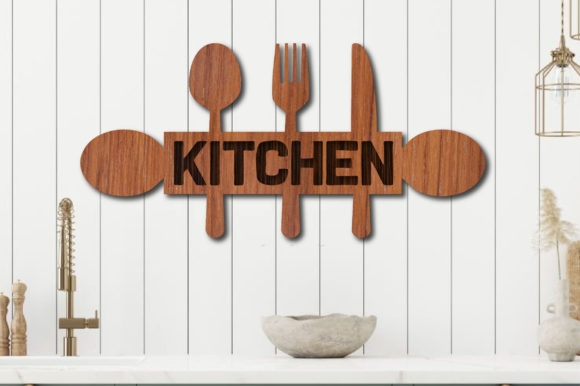
Kitchen Design Layered Laser Cut 3D Review
When I sit down to evaluate a new digital asset for my embroidery studio, I am rarely impressed by novelty alone. As a designer who regularly produces custom apparel and boutique merchandise, I look for designs that translate well from screen to stitch. Today, I am taking a close look at the Kitchen Design Layered Laser Cut 3D file. On paper, it promises a specific aesthetic—one that mimics the precision of laser cutting through the medium of thread. But does it hold up when you put it under the needle? Let us dive into how this design performs in real-world applications.
First Impressions and Visual Personality
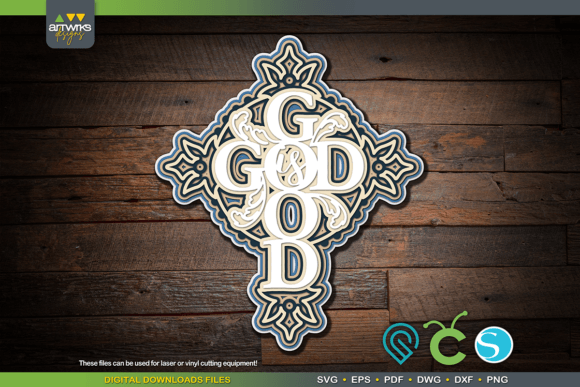
The moment you open the file, the intent is clear. This is not a traditional floral or geometric pattern; it is a structural piece. The Kitchen Design Layered Laser Cut 3D leverages the concept of depth, using negative space and layered shapes to create a three-dimensional effect without relying on complex shading stitches. It feels modern, clean, and highly graphic. For an embroiderer, this is a relief. Designs that attempt to simulate photorealism often fail because thread cannot replicate the subtle gradients of a photograph. However, this design leans into its strengths: bold lines, distinct layers, and a crisp silhouette.
The mood it creates is one of organized creativity. It fits perfectly into the "modern farmhouse" or "minimalist kitchen" aesthetic that is currently dominating home decor trends. When I imagine placing this on a product, I immediately see it on a high-quality canvas tote bag or a heavy cotton apron. It has a personality that says, "I take cooking seriously, but I also appreciate good design." It is professional yet approachable, which is exactly what successful handmade products need to be.
Real-World Application: From Screen to Stitch
Let us talk about where this embroidery file truly shines. In my experience, the most successful items for small business owners are those that serve as both functional tools and statement pieces. The Kitchen Design Layered Laser Cut 3D is ideal for kitchen towel sets, aprons, and tote bag design projects aimed at gift-givers.
Imagine preparing a batch of custom sweatshirts for a local culinary class or creating personalized gifts for housewarmings. The layered nature of this design allows it to stand out against textured fabrics like waffle-weave towels or denim. Because the design relies on distinct shapes rather than dense fill areas, it maintains its clarity even on slightly rougher textures. This is crucial for handmade product sellers who want their items to look polished and expensive.
I also envision this working beautifully as an embroidered patch. If you are selling accessories, attaching this design to a cap or a backpack adds a unique touch that mass-produced items simply cannot match. The laser cutting aesthetic gives it a premium feel, suggesting to the buyer that more care went into its creation than a standard stamped logo. For an Etsy seller or craft business owner, this translates directly into higher perceived value and potentially better conversion rates.
Technical Performance and Stitch Behavior
From a technical standpoint, the Kitchen Design Layered Laser Cut 3D requires careful planning. The "layered" aspect means you will likely be using a combination of satin stitch for outlines and fill stitch or running stitch for internal details. The key here is managing the stitch density. If the design is too dense, it can pucker lightweight fabrics. If it is too sparse, it may lose that sharp, cut-out look.
When testing this design, I recommend paying close attention to the thread colors. To achieve the true "laser cut" illusion, contrast is your best friend. A dark navy design on a white background will pop significantly more than a light gray on beige. You might find yourself using two or three threads to create shadows and highlights within the layers. This multi-thread approach adds time to your production process, but it also adds significant quality. Customers notice these details. They see the effort and trust the craftsmanship.
Furthermore, consider the hoop size. While this design is versatile, ensure your machine can accommodate the dimensions comfortably. If you are working on smaller items like baby clothes or caps, you may need to resize the design proportionally. Always check the bounding box before starting. Resizing after digitization can distort the angles and ruin the crisp edges that make this design special.
Where to Use Caution
No design is perfect for every surface. There are situations where the Kitchen Design Layered Laser Cut 3D might struggle. First, avoid using this on highly stretchy fabrics like thin spandex blends unless you are using a strong tear-away stabilizer. The tension required for satin stitches can cause puckering on elastic materials. Second, be cautious with very small hoop sizes. The intricate corners and small details that give the design its character may become muddy if stitched too tiny. What looks like a sharp line on screen might turn into a blob on fabric.
Additionally, while this design works well on flat surfaces like tote bags and pillow covers, applying it to curved surfaces like baseball caps requires skill. The layers must align perfectly with the curve of the hat, or the 3D effect will break. If you are new to curved surface embroidery, practice on scrap fabric first. Also, remember that frequent washing can wear down fine details. If you are selling commercial embroidery items intended for heavy use, advise your customers to wash them gently to preserve the integrity of the design assets.
Practical Designer Notes for Success
Before you commit to a full production run, follow these practical steps to ensure your embroidery project is a success:
- Test on Scrap Fabric: Always stitch a test version on the exact fabric you plan to sell. This reveals issues with stabilizer choice and thread tension that you cannot see on a computer screen.
- Check Black and White Mockups: Convert your design to black and white to see if the shapes remain distinct. If the layers blend together, you may need to adjust the spacing or add more contrast in your stitching.
- Inspect Small Details: Zoom in on the smallest elements. Are they too thin? Will they fray over time? Adjusting these minor details before stitching saves headaches later.
- Confirm Licensing: Ensure you have the right to use this digital embroidery file for commercial purposes. Many designers offer different tiers of licenses, and understanding these terms protects your small shop product business from legal issues.
- Create Printable Mockups: Use the original images to create realistic mockups for your online store. Showing the design on a finished personalized gift helps customers visualize the final result, increasing their confidence to buy.
Final Verdict
The Kitchen Design Layered Laser Cut 3D is a strong addition to any designer’s library. It bridges the gap between modern graphic design and traditional textile art. It is not just another clip-art style image; it is a thoughtful composition that rewards careful execution. For creative entrepreneurs looking to expand their home decor or apparel collections, this design offers a sophisticated alternative to generic text-based embroidery.
It works best when paired with high-quality fabrics and thoughtful color choices. By respecting the technical requirements and testing thoroughly, you can produce a finished product that stands out in a crowded market. Whether you are making a single custom order or producing inventory for a craft fair, this design provides the visual impact needed to engage buyers and build brand loyalty. It is a smart, stylish choice for anyone serious about their craft.