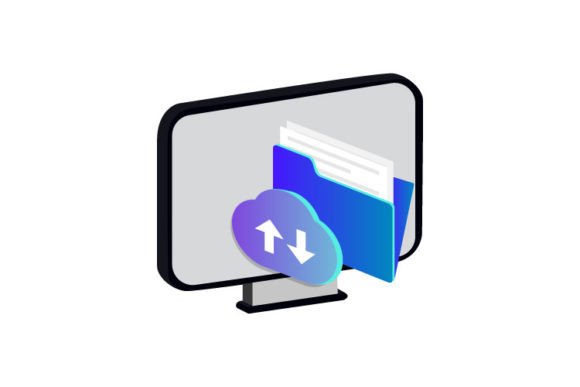
3D Object Monitor with File Backup: A Versatile Graphic for Creative Projects
As a professional graphic designer working across branding, packaging, and digital content, I’m always on the lookout for design assets that bring value beyond aesthetics. The 3D Object Monitor with File Backup caught my attention as a potentially useful illustration element. Let’s dive into what this asset brings to the table and how it can support real-world client projects.
First Impressions and Visual Style
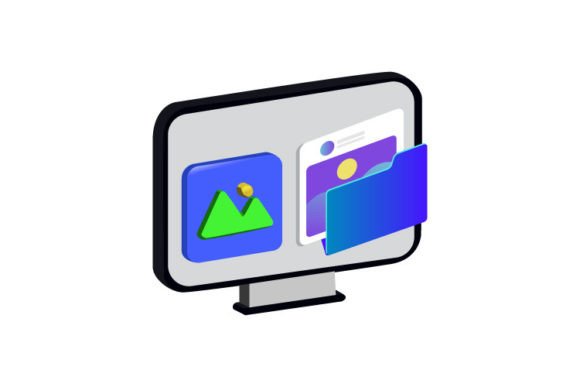
The 3D Object Monitor with File Backup immediately conveys a sense of modernity and technological relevance. It features a stylized 3D monitor paired with a backup file icon, rendered in clean lines and subtle shading. The color palette is neutral but open to customization, which is a big plus when integrating it into various brand identities or marketing visuals.
This illustration feels more like a graphic design asset than a generic clipart. Its structured yet approachable style makes it suitable for both editorial and commercial use, especially in contexts where tech themes or data security are relevant. From a first glance, it has the potential to elevate a design from flat to dynamic without overwhelming the visual space.
Real-World Application Scenarios
I often work with small businesses and handmade brands looking to build cohesive brand identity. For these clients, the 3D Object Monitor with File Backup could serve as an abstract symbol in logo design or as part of a larger set of supporting graphics. In product labels, it might represent a tech-savvy feature or a data-related service, depending on the business offering.
In packaging design, this illustration works well as a decorative accent or thematic element—especially for startups in the software, cloud services, or cybersecurity industries. It adds a touch of professionalism while maintaining visual interest.
For social media graphics, the 3D aspect helps break up flat layouts, making posts stand out on platforms like Instagram and Pinterest. When placed on a hero banner or within a Canva template, it enhances the overall mood and gives the impression of innovation and reliability.
Performance in Different Design Contexts
- Logo Design: While not ideal as a standalone logo, it can complement other elements in a tech-themed brand mark.
- T-Shirt and Merchandise Design: Works best as a supporting graphic or part of a themed collection. Avoid using it as the only focal point unless your target audience is clearly into tech motifs.
- Editorial and Web Design: This asset fits seamlessly into blog headers, infographics, or website banners where a modern, trustworthy look is desired.
- Cricut Projects and Sticker Design: The clean vector format (SVG) allows for easy scaling and cutting, making it a strong candidate for custom stickers or vinyl decals.
- Print-on-Demand: Ideal for mugs, tote bags, or wall art, especially when used alongside text-based designs or other minimalist illustrations.
Where This Asset Shines
The 3D Object Monitor with File Backup performs exceptionally well in large layout areas, such as posters, flyers, and product mockups. Its dimensional quality helps anchor a composition, guiding the viewer's eye toward key messages or calls to action. It also looks great as a background element in printable design projects, adding depth without distracting from the main content.
When creating campaign visuals or promotional materials for a tech startup or online data service, this illustration can subtly reinforce the message of security and efficiency. It’s particularly effective when paired with sans serif or display fonts, which enhance its contemporary feel.
Use with Caution in These Cases
While versatile, this asset isn’t suited for every situation. In minimalist branding or corporate materials that require high visual clarity and simplicity, it may introduce unnecessary complexity. Similarly, when designing for small sizes—like icons or mobile app UI—the 3D detail might become lost or cluttered.
It should also be handled carefully in crowded layouts or those with intricate backgrounds. The layered effect of the illustration could clash with busy patterns or detailed textures, reducing readability and weakening the visual hierarchy.
Design Notes for Commercial Use
- Test in Black and White: The contrast and depth of the 3D render hold up surprisingly well when desaturated, making it usable in grayscale print projects.
- Check Contrast on Light and Dark Backgrounds: The PNG version includes transparency, allowing you to place the monitor over different tones. Make sure it remains legible and doesn’t fade against unexpected colors.
- Preview at Small and Large Sizes: Evaluate how the details scale down for use in buttons or social media thumbnails, and how they expand for large-format printing.
- Place on Real Mockups: Try it on a t-shirt, mug, or business card mockup to see how it interacts with physical products. This will help determine if it needs simplification for certain uses.
- Test Print Quality: Ensure the JPG and PNG files maintain crispness when printed, especially for higher resolution demands in packaging or signage.
- Review File Formats: You’ll receive AI, EPS, SVG, PNG, and JPG files. Vector formats (AI/EPS/SVG) allow for full scalability and editing, which is essential for customizing the illustration for specific brand palettes or print specifications.
- Inspect PNG Transparency: If you plan to overlay the monitor onto photos or textured surfaces, confirm that the PNG includes a transparent background for seamless integration.
- Compare with Font Styles: Pair the illustration with different typefaces—serif, sans serif, script, handwritten, and display—to see how it affects the tone and cohesion of your design.
- Confirm Commercial Licensing: Before including this in any project for a client or selling it through a creative marketplace like Etsy or Printful, double-check the licensing terms. You want to ensure it’s safe for commercial use and can be modified as needed.
Impact on Branding and Marketing
Using the 3D Object Monitor with File Backup in a creative design bundle can significantly impact the emotional appeal of a project. It evokes trust and reliability, two crucial traits for building brand recognition. Whether it's part of a product label or embedded in a digital ad, it contributes to a polished, professional look that resonates with audiences seeking secure, dependable solutions.
In handmade businesses or boutique product lines, it can be a subtle nod to digital craftsmanship or smart storage options. For print-on-demand sellers, it offers a fresh take on sublimation or screen-print ready graphics, helping differentiate their offerings in a competitive market.
Final Thoughts for Designers and Sellers
The 3D Object Monitor with File Backup is a solid addition to any commercial design toolkit. It supports a wide range of applications—from editorial design to sticker design—and adapts well to different styles and mediums. As a designer, I appreciate the balance between form and function it provides, especially when working on brand identity systems or campaign visuals that need a modern edge.
However, before incorporating it into a real client project, make sure to test it thoroughly in context. Check how it behaves in black and white, how it scales, and whether it aligns with the intended visual tone. Also, confirm that all file formats meet your workflow needs and that the commercial license covers your intended usage.
If you’re crafting marketing visuals or enhancing your illustrations for a tech-forward brand or product line, this design asset is worth considering. Just remember to apply it thoughtfully and strategically to maintain visual trust and ensure it supports rather than distracts from your message.