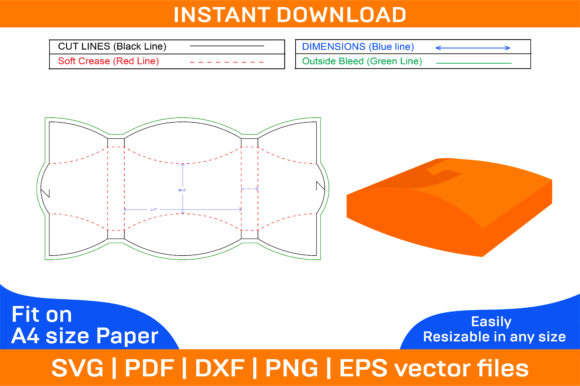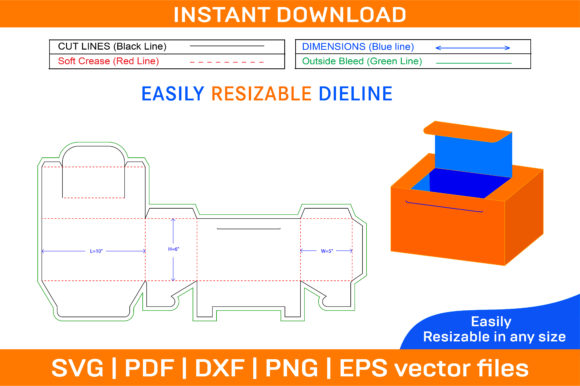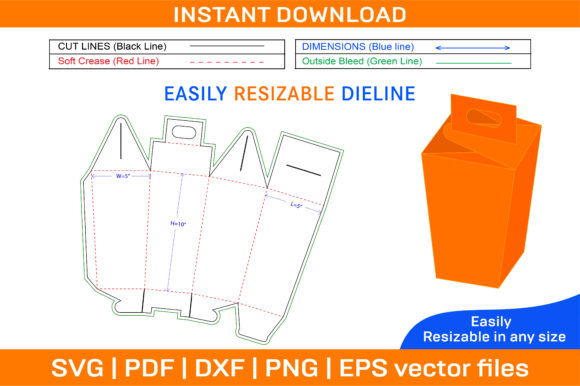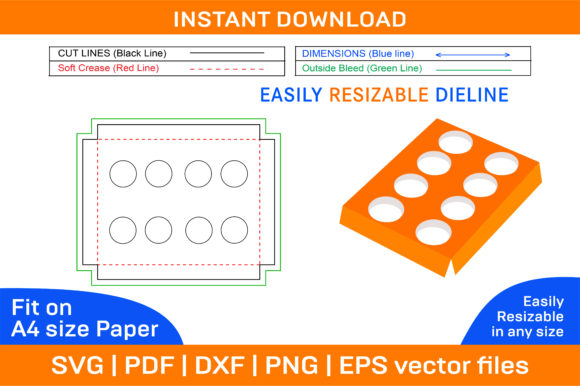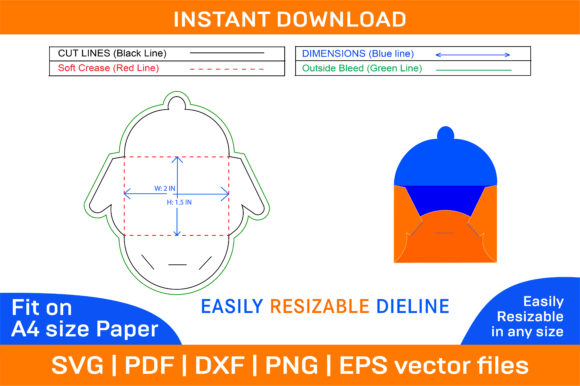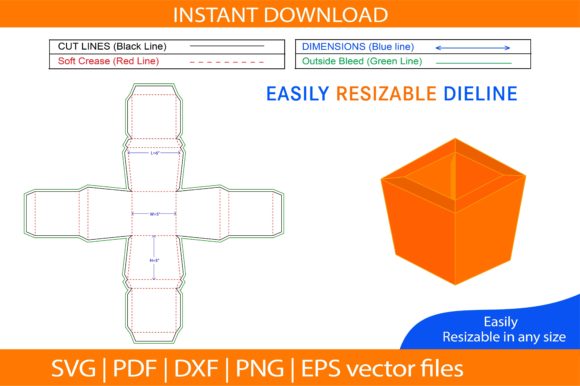
Cardboard Flower Box Design Dieline for Graphics and Print Templates
As a brand designer who has spent years helping local businesses establish their visual identity, I approach every new asset with a mix of curiosity and skepticism. We are often bombarded with thousands of design files that look great on screen but fall flat in the real world. Recently, I evaluated a Cardboard Flower Box Design Dieline to see if it could serve as a foundational element for a real-world small business project. Specifically, I was looking at how this graphic design asset might support a boutique florist or a handmade skincare brand that values organic aesthetics and tactile packaging.
The first impression of this dieline is one of grounded elegance. It does not scream for attention with loud colors or chaotic layouts; instead, it suggests a brand personality that is thoughtful, natural, and premium. For a local business owner, whether you run a coffee shop, a candle studio, or a children’s product brand, this asset offers a versatile canvas. It feels modern yet rustic, capable of bridging the gap between a high-end retail experience and a warm, handmade feel. This balance is crucial for small business branding, where you want to appear professional without losing your authentic soul.
Real-World Application: Elevating Product Packaging
In my recent work with a local artisan soap maker, the challenge was creating packaging that stood out on crowded shelves while remaining eco-friendly and cost-effective. A standard box often lacks character, but a well-designed folding box can become part of the product itself. The Cardboard Flower Box Design Dieline provides the structural blueprint necessary to achieve this. By utilizing the included 3D vector file, we could visualize exactly how the final package would look before committing to print runs.
This asset is not just about the exterior; it is about the entire unboxing experience. The ZIP archive contains SVG, PDF, EPS, DXF, AI, and PNG files, which means you have complete control over every layer. You can use the vector formats to create crisp product labels and hang tags that match the box perfectly. This consistency is vital for professional branding. When a customer receives a package where the box, the label, and the thank-you card all share the same visual language, it builds immediate trust. It signals that you care about the details, which translates directly to perceived product quality.
Furthermore, the foldable nature of this printable box template allows for creative promotional opportunities. Imagine placing a small sticker or a handwritten note inside the flap. The dieline gives you the precise dimensions to plan these interactive elements. This level of detail turns a simple transaction into a memorable moment, fostering an emotional connection with your customers. For seasonal campaigns, such as Valentine’s Day or Mother’s Day, you can easily swap out color palettes or add temporary graphics to the digital file, making it a sustainable choice for marketing visuals.
Integrating Into Brand Identity and Marketing
One of the most common mistakes small business owners make is treating packaging and marketing materials as separate entities. However, true brand identity requires cohesion. This graphic design asset can be extracted and repurposed across various platforms. The PNG files, with their transparency options, allow you to overlay floral motifs onto website banners, social media graphics, and email newsletters.
For instance, a boutique store could use the flower pattern from the dieline as a background texture for their Instagram posts. This creates a recognizable visual thread that links your physical products to your digital presence. When a customer sees the same elegant floral arrangement on your packaging and your feed, it reinforces your brand recognition. This is particularly effective for social media managers who need to maintain a consistent aesthetic without designing every single post from scratch.
The asset also supports stronger visual hierarchy in your promotional materials. Because the design is clean and structured, it does not compete with your core messaging. You can place your logo prominently on the front panel, ensuring that your brand name is the first thing a potential buyer sees. This clarity is essential for improving shelf appeal. In a busy market, customers decide within seconds whether to pick up a product. A polished, professionally designed box suggests a higher-quality item, encouraging them to take a closer look.
Strategic Placement and Design Considerations
While this dieline is incredibly versatile, it is important to use it strategically. It works best when applied to products that benefit from a soft, decorative touch. Think skincare lines, organic food products, handmade jewelry, or floral arrangements. The asset adds a layer of sophistication that enhances these categories.
However, there are situations where caution is advised. If you are designing for a formal corporate client or a luxury minimalist brand that relies on stark white space and heavy typography, this floral element might feel too decorative. Similarly, avoid using it on very small labels where intricate details may get lost during printing. The key is to respect the visual hierarchy; let the design accentuate your product, not overshadow it. Test the asset on low-contrast backgrounds to ensure readability and aesthetic harmony.
Another critical consideration is font pairing. When integrating this dieline into your logo design or product labels, consider how different typefaces interact with the floral motif. A script font might enhance the romantic feel, while a sans serif font could provide a modern contrast. Always preview your designs in black and white first to check the structural integrity of the layout before adding color. This step helps you identify any clutter or imbalance early in the process.
Practical Designer Notes for Implementation
To get the most out of the Cardboard Flower Box Design Dieline, follow these practical steps:
- Test on Mockups: Before sending anything to print, use the 3D vector file to generate realistic product mockups. This allows you to see how the design wraps around the corners and folds.
- Check Vector Editability: Inspect the SVG and AI files to ensure you can edit individual elements. This flexibility is crucial for adapting the design to different box sizes or specific brand requirements.
- Review File Formats: The inclusion of DXF and EPS files makes this asset compatible with a wide range of design software, including Canva templates and professional Adobe suites. Ensure your chosen platform supports these formats.
- Confirm Licensing: Always verify the commercial license. If you are using this for client work or selling physical products, ensure you have the right to use the asset commercially. This protects your business from legal issues down the line.
- Compare with Competitors: Look at similar packaging in your niche. Does this dieline help you stand out? It should offer a unique twist that differentiates your brand from generic alternatives.
Ultimately, this dieline is more than just a template; it is a tool for building a cohesive local business presence. By combining high-quality vector files with thoughtful design principles, you can create packaging that not only protects your products but also tells your brand story. Whether you are a handmade seller looking to upgrade your presentation or a marketer seeking fresh design assets for a campaign, this resource offers the versatility and professionalism needed to succeed in today’s competitive market.