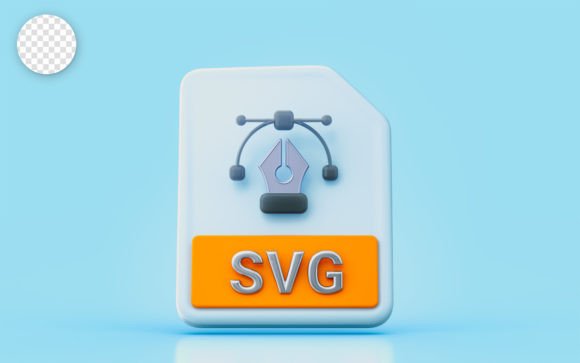
SVG Document File Sing 3D Render Concept for Modern Brand Graphics
As a brand designer who works closely with local businesses, I always look for graphic design assets that can elevate a project from average to memorable. When I first encountered the SVG Document File Sing 3D Render Concept, it immediately caught my attention—not just for its clean aesthetic but for how it could be strategically used in real-world branding scenarios. This asset offers a fresh take on minimalistic 3D icons and shapes, making it ideal for businesses aiming to create a modern, cohesive visual identity across multiple platforms.
A Fresh Visual Language for Small Business Branding
The Sing 3D render concept brings a subtle yet powerful energy to any design. It doesn’t scream for attention but rather invites the viewer in with its balanced proportions and soft lighting effects. The mood is contemporary and approachable, suggesting a brand personality that’s both professional and warm. It’s not overly decorative or complex, which makes it versatile enough to work well in a variety of industries—especially those where simplicity and clarity are key.
This kind of design fits particularly well with lifestyle brands such as boutique stores, handmade soap businesses, coffee shops, and small-scale food labels. For example, imagine using this 3D SVG element on a seasonal campaign for a local bakery. Its clean lines and smooth surfaces add a touch of sophistication without overshadowing the warmth of baked goods imagery.
Practical Applications in Local Business Design
One of the strengths of the Sing 3D render concept lies in its adaptability. As an icon-based vector file, it can be seamlessly integrated into various aspects of branding and packaging. Here are some practical ways I’ve considered using it:
- Logo accents: Adding a 3D document shape as a supporting graphic next to a logo can help define the brand's digital-forward nature.
- Product label design: The minimalist style works well as a background element or border detail on product labels, especially for eco-friendly or artisanal products.
- Packaging design: Used subtly in corners or along edges, the render can enhance shelf appeal while maintaining a sense of professionalism.
- Hang tags and thank-you cards: These smaller formats benefit from the refined details of the 3D elements, giving them a polished finish that feels intentional and high-quality.
- Stickers and menu graphics: The 3D render adds a tactile feel even in digital form, helping your branding stand out in a competitive market.
- Flyers and posters: Whether printed or shared online, the design contributes to a stronger first impression and clearer visual hierarchy.
- Business cards and social media banners: It helps unify your brand presence across physical and digital spaces, reinforcing consistency in your messaging.
In each of these cases, the SVG Document File Sing 3D Render Concept plays a role in building customer trust through consistent and professional visuals. It also supports better product recognition by creating a unique visual motif that customers can easily associate with your brand.
Supporting Better Brand Presentation
Design assets like this one are more than just pretty pictures—they’re tools for storytelling. The Sing 3D render can be used to create a stronger emotional connection with your audience, especially when aligned with a brand’s core values. For instance, if you're designing promotional materials for a sustainable home decor shop, the clean and modern appearance of this asset reinforces the idea of innovation and eco-consciousness.
Here’s how it can support your business presentation:
- Stronger first impression: A well-placed 3D render can make your branding materials pop right away, capturing attention in crowded markets or online feeds.
- Better product recognition: Consistent use of the same design elements across all touchpoints helps customers instantly recognize your brand.
- Clearer visual hierarchy: The structured layout of the render allows it to function as a visual anchor, guiding the eye toward key messages or products.
- More consistent brand identity: Repeating the same SVG across different designs ensures your brand maintains a unified voice and look.
- Improved customer trust: Professional and cohesive branding builds credibility, especially for new or niche businesses trying to establish themselves.
- Enhanced shelf appeal: On product packaging, the render acts as a visual highlight that makes your item stand out among competitors.
- Polished marketing visuals: Whether it's for print or digital, the design elevates the overall look of your campaigns, presentations, and ads.
Where This Asset Works Best
Some of the most effective applications for the SVG Document File Sing 3D Render Concept include:
- Product labels: Especially useful for highlighting key features or adding a subtle graphic accent.
- Packaging accents: Can be layered over textures or patterns to create depth and dimension without overwhelming the design.
- Hero graphics: Perfect for landing pages or app interfaces where a strong visual statement is needed without clutter.
- Decorative brand elements: Adds character to editorial design, printable inserts, or even website headers.
- Promotional banners: Works great as a background or overlay to emphasize call-to-action buttons or headlines.
- Seasonal packaging: With slight tweaks in color or scale, it can be adapted to fit holiday themes or special editions.
- Boutique visuals: Ideal for enhancing the perceived value of handcrafted items like candles, soaps, or jewelry.
- Social media campaign graphics: Provides a consistent motif across posts, stories, and ads to reinforce brand awareness.
Use with Caution: When Less Is More
While the Sing 3D render concept has many strengths, there are situations where it may not be the best fit. As a designer, I always consider context before applying an asset. Here are some areas where it should be used carefully:
- Formal corporate branding: The playful and minimalistic nature might clash with traditional or serious brand tones.
- Very small labels: At tiny sizes, the 3D effect can become distorted or lose its impact.
- Crowded product packaging: Too many design elements can confuse the message. Use this asset sparingly to avoid visual overload.
- Ingredient-heavy layouts: Prioritize readability—don’t let the 3D graphics distract from essential information.
- Legal information areas: Keep these sections clean and straightforward; avoid decorative elements that might compromise clarity.
- Low-contrast backgrounds: The render relies on subtle shading, so it needs sufficient contrast to remain legible.
- Luxury minimalist brands: While it’s minimalist, the 3D aspect may not align with ultra-sleek luxury aesthetics.
- When decoration competes with text: Always ensure that important copy remains the focal point.
Designer Notes: Making It Work for Your Brand
Before finalizing the use of this asset in any branding project, here are some practical checks and considerations I recommend:
- Test it on real packaging mockups: See how it looks at scale and in context with other design elements.
- Check black and white usage: Does the 3D render still hold up in grayscale? If not, it might need a revision or alternative treatment.
- Preview it on small labels: Ensure it remains clear and recognizable at reduced sizes.
- Test it with brand colors: How does it react to your primary palette? Will it maintain its elegance or become garish?
- Compare it with competitor packaging: Make sure it adds distinctiveness and not just similarity.
- Check print quality: Confirm that the SVG holds up in high-resolution print environments without pixelation or loss of detail.
- Review PNG transparency: If you’ll be using it in web or app design, test the PNG version to ensure it blends well with transparent or layered backgrounds.
- Inspect SVG or vector editability: Since it’s a vector file, verify that it can be scaled and modified without losing integrity.
- Test it beside different font styles: Try pairing it with serif, sans-serif, script, handwritten, and display fonts to see what combinations work best for your brand tone.
- Confirm commercial licensing: Before using it for client work, business branding, or physical product sales, make sure the design comes with proper commercial use rights.
Bringing It All Together for Real Businesses
Let’s say you're launching a new line of organic skincare products. You want your branding to reflect natural ingredients and modern efficacy. The SVG Document File Sing 3D Render Concept could serve as a subtle visual metaphor for “opening” or “revealing” the purity of your formulations. It can appear behind ingredient lists on product labels, as part of your hero section on a landing page, or as a repeating pattern in your Canva templates for social media content.
For a local florist, this design could symbolize the care and precision involved in crafting bouquets. Placing it on hang tags or as a decorative accent in packaging helps communicate attention to detail and artistry. In web design, it can frame testimonials or highlight seasonal collections, creating a cohesive thread between digital and physical branding efforts.
What I appreciate most about this asset is how it bridges the gap between editorial design and commercial design. It's not just another clipart or illustration—it’s a thoughtful piece that can be tailored to suit the unique needs of your brand. Whether you're working on product mockups, printable inserts, or digital product displays, the Sing 3D render gives you a tool to craft a more engaging and professional brand experience.
Final Thoughts for Creative Entrepreneurs
If you're a small business owner, boutique operator, or creative entrepreneur looking to inject some modernity into your branding toolkit, the SVG Document File Sing 3D Render Concept is worth exploring. It's not just about having a cool graphic—it's about finding a design asset that complements your brand story and enhances your visual communication.
Remember, the goal of small business branding isn’t to overwhelm but to resonate. Icons and graphics like these help create that resonance by offering a consistent, elegant, and functional design language. So whether you're refining your product presentation or crafting a new packaging identity, this 3D render could be the missing piece that ties everything together.